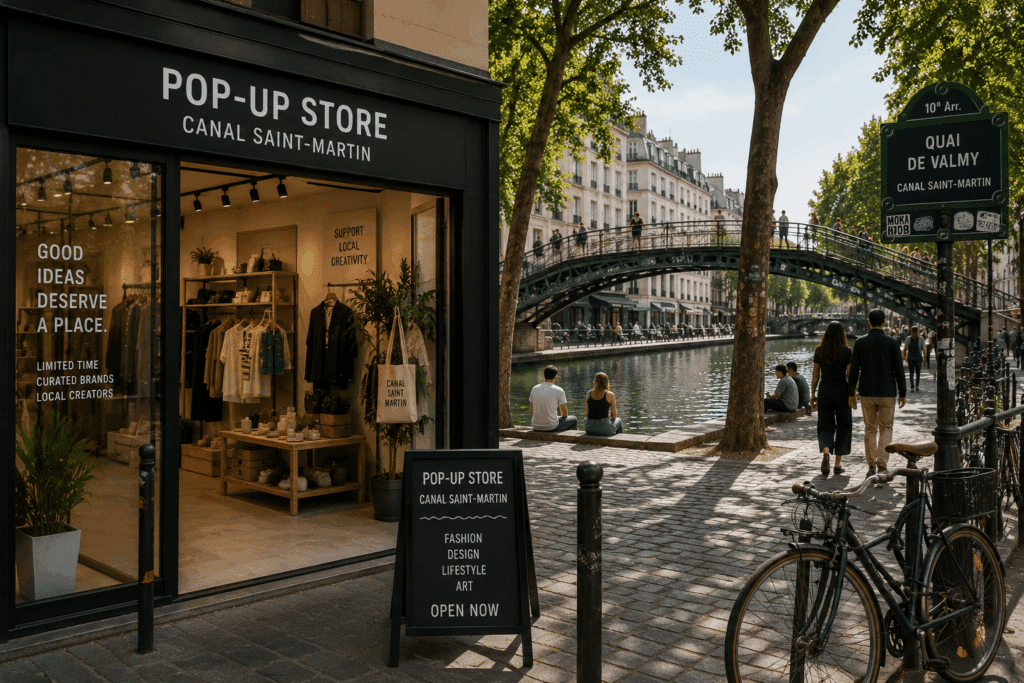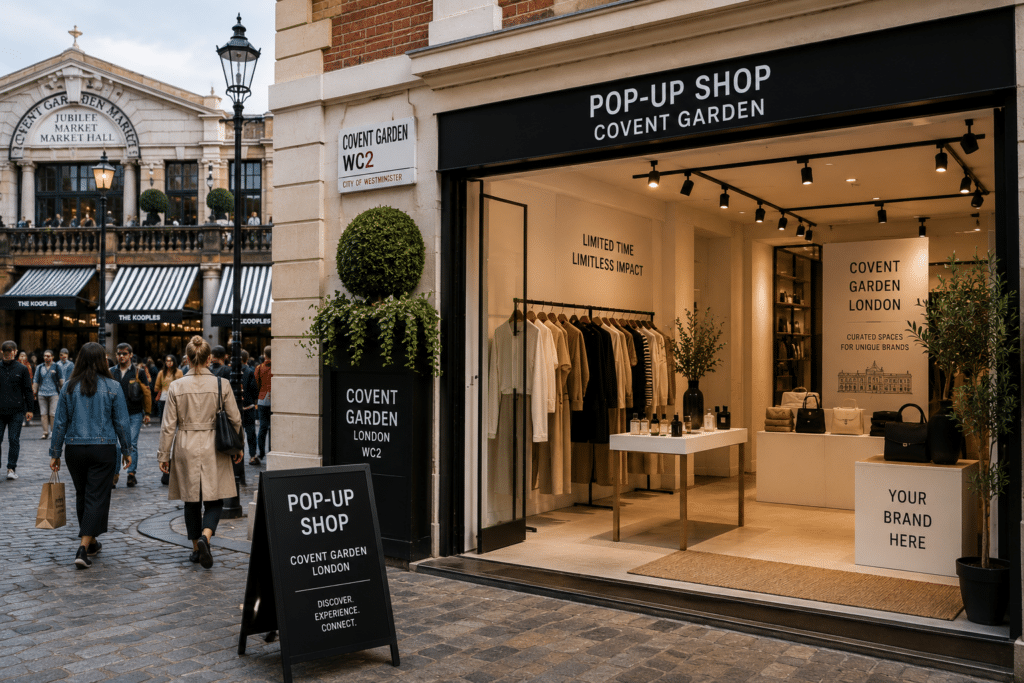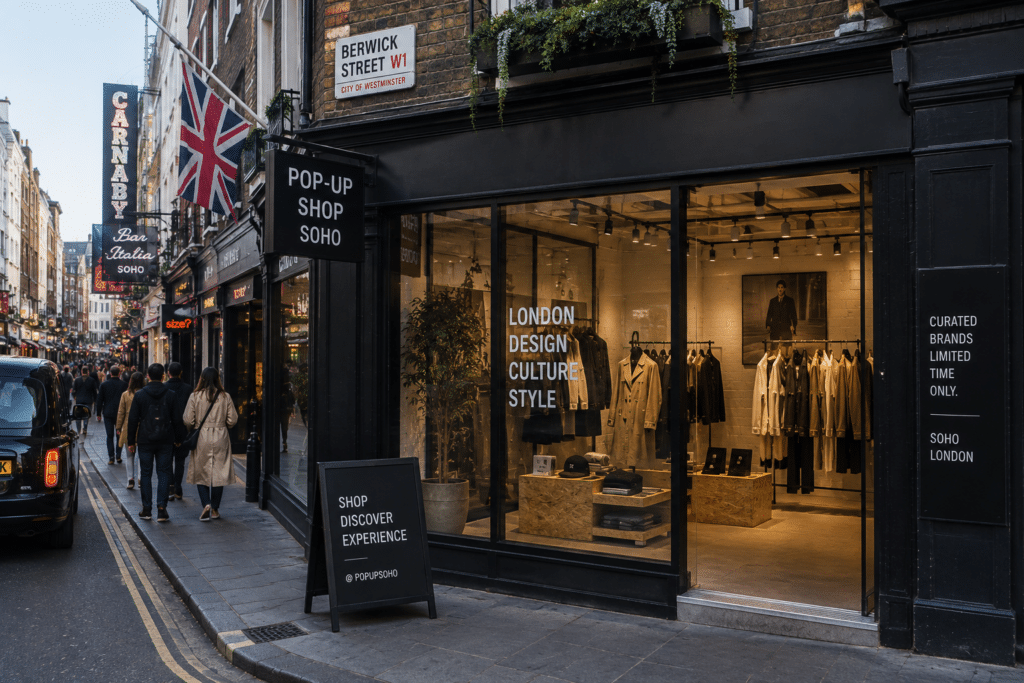


Kreuzberg is one of Berlin’s most recognisable districts for brands looking for creativity, urban culture, independent retail and a direct connection with local communities.
That does not make it the right location for every project. Its value lies in the audience and context it offers. A streetwear, design, music or lifestyle activation may feel completely at home here, while a brand seeking a traditional luxury environment or a highly corporate setting may be better served elsewhere in Berlin.
Why Kreuzberg works for a pop-up
Kreuzberg combines residential streets, cultural venues, restaurants, design businesses, markets and independent shops. Retail is less concentrated around large international chains and more distributed across streets and micro-neighbourhoods with distinct identities.
This can benefit a brand that wants to be discovered in a creative environment rather than inside a conventional shopping centre. The district can also help an international brand test how its positioning resonates with a younger, urban and culturally engaged audience.
Which brands are the best fit for Kreuzberg?
Kreuzberg is often particularly relevant for:
- Independent fashion and streetwear.
- Sneakers and accessories.
- Design, art and music projects.
- Beauty, wellness and lifestyle concepts.
- Sustainable and purpose-led brands.
- Specialist food concepts.
- Digital brands with a young or creative community.
It can also work well for launches, collaborations, workshops and activations that need a less institutional atmosphere and a stronger connection with Berlin’s urban culture.
The decision should be based on genuine audience fit. Choosing Kreuzberg simply because it is considered “trendy” is not a strong location strategy.
Relevant micro-locations in Kreuzberg
Kreuzberg does not operate as one uniform retail centre. A few minutes can make a significant difference to footfall, neighbouring businesses and the way a brand is perceived.
Bergmannstraße and Bergmannkiez
Bergmannstraße combines boutiques, independent shops, restaurants and active neighbourhood life. It can suit fashion, design and lifestyle concepts that want to reach both local residents and visitors.
For a consumer-facing pop-up, review not only the number of passers-by but also the visibility of the storefront, the mix of neighbouring businesses and the difference between weekday and weekend traffic.
Oranienstraße
Oranienstraße has a more urban and alternative identity, with a mix of culture, nightlife, design and commerce. It may suit brands with a creative, youthful or experimental positioning.
Because the street changes throughout the day, the activation schedule matters. A concept relying on daytime retail traffic will not necessarily perform in the same way as one built around evening events or community programming.
Moritzplatz and the creative district
The area around Moritzplatz brings together design, creative businesses and new work and retail formats. It can work for showrooms, launches, workshops and activations that do not depend exclusively on spontaneous footfall.
For destination-led projects, interior quality, accessibility and flexibility for production may be more important than a premium storefront.
What type of space should you choose?
The space should follow the objective of the activation.
- Retail pop-up: prioritise visibility, a clear storefront, street-level access, storage and a simple customer journey.
- Showroom: focus on interior quality, privacy, natural light and the ability to host appointments or presentations.
- Experiential activation: check capacity, power, acoustics, loading, permitted hours, technical infrastructure and customisation options.
- Community event: consider circulation, seating, sound, catering requirements and the relationship with neighbours.
Before booking, confirm exactly what the venue allows. A visually strong space can still be unsuitable if branding is restricted, deliveries are difficult or the activity is not permitted.
When Kreuzberg is not the best option
Kreuzberg should not be selected by default.
A luxury brand that relies on proximity to premium retailers may find a stronger fit in another part of Berlin. A B2B activation may prioritise transport links, privacy and a more formal context. A campaign dependent on very high conventional retail footfall may also benefit from a different commercial hub.
The best district is the one that brings the brand, audience and business objective together—not the one with the strongest reputation.
How to find the right pop-up space in Berlin
Start by defining the target audience, objective, dates, duration, format and total budget. Compare neighbourhoods first and individual venues second.
You can then compare pop-up spaces in Berlin and assess which locations genuinely fit the brief.
If the project is part of a wider campaign, the guides to planning a brand activation and understanding the pop-up format provide a useful framework before the venue search begins.
For highly specific requirements, Go—PopUp can also support personalised scouting and local project execution through the agency team.