
A brand activation is an initiative designed to create meaningful interaction between a brand and its audience. It may aim to build awareness, encourage product trial, attract customers, launch a new product, increase sales or strengthen a community, but it should always begin with a specific objective.
The difference from a purely advertising-led campaign is participation: people enter a space, try a product, attend an experience, receive a demonstration or interact directly with the brand.
What is a brand activation?
A brand activation turns a marketing idea into an experience that people can take part in. It does not have to be large or spectacular. It has to be consistent with the brand and designed to generate a defined response.
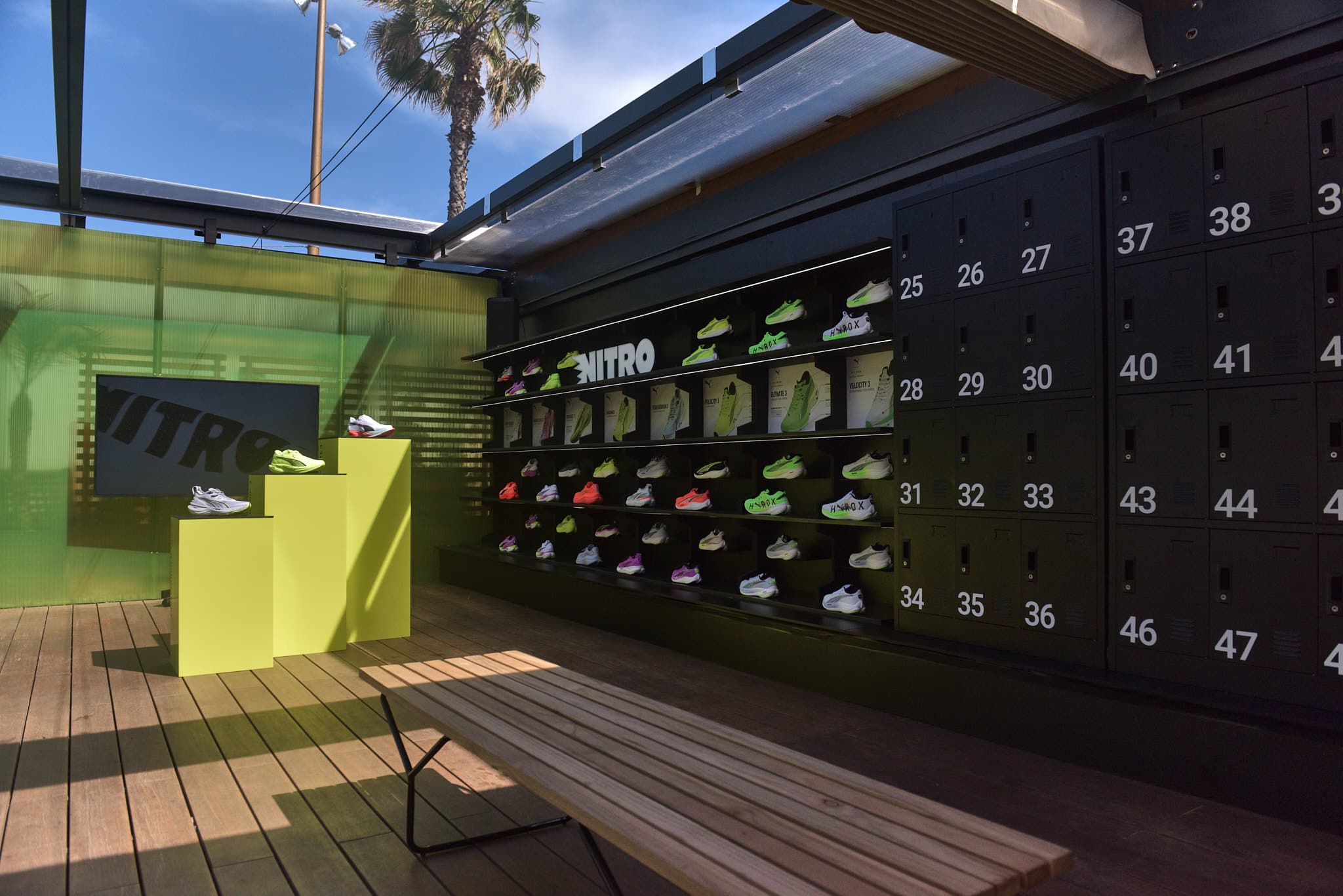
It can take place in a temporary shop, showroom, shopping centre, event venue, installation, stand or a space transformed specifically for the occasion.
What is a brand activation used for?
A brand may activate a physical space to launch a product, generate trials, gain visibility, create content, bring its community together or test a new city.
The important point is not to pursue every objective at once. An activation focused on sales requires a different space and operating model from one designed for press, creators or lead generation.
Before producing anything, answer one simple question: what should people do after experiencing the activation?
Common brand activation formats
An activation can take many forms.
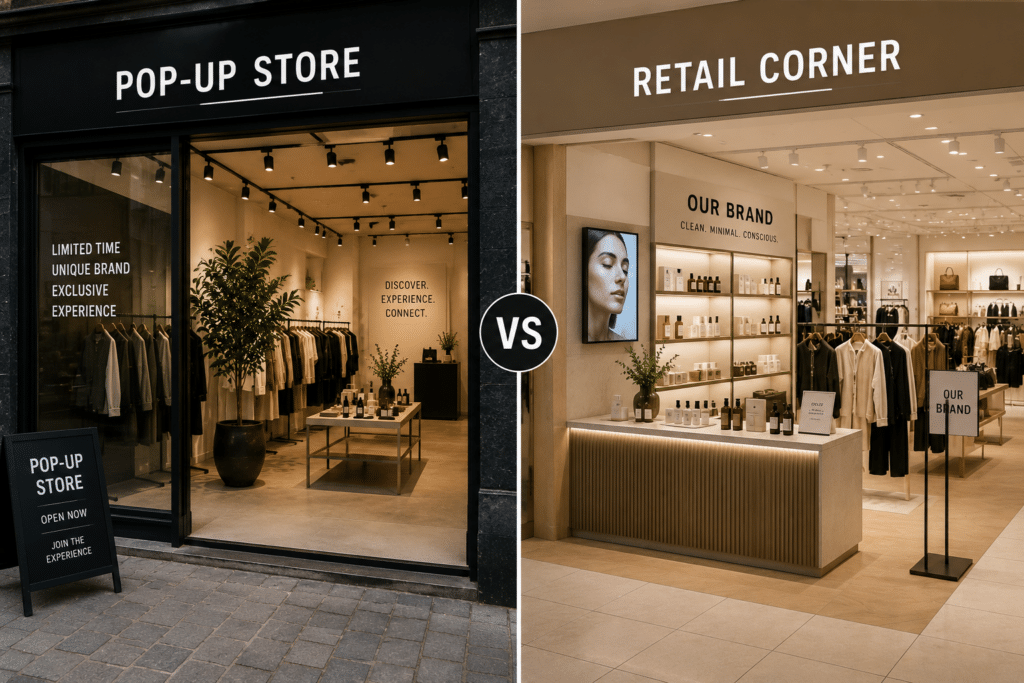
- Pop-up store: useful when the experience combines sales, product presentation and direct customer contact over several days or weeks.
- Showroom: better suited to presenting a collection and receiving buyers, press or invited guests in a controlled setting.
- Brand event: can concentrate demonstrations, content, public relations or community activity into a few hours.
- Corner, stand or mobile installation: useful when the brand needs a compact or repeatable format.
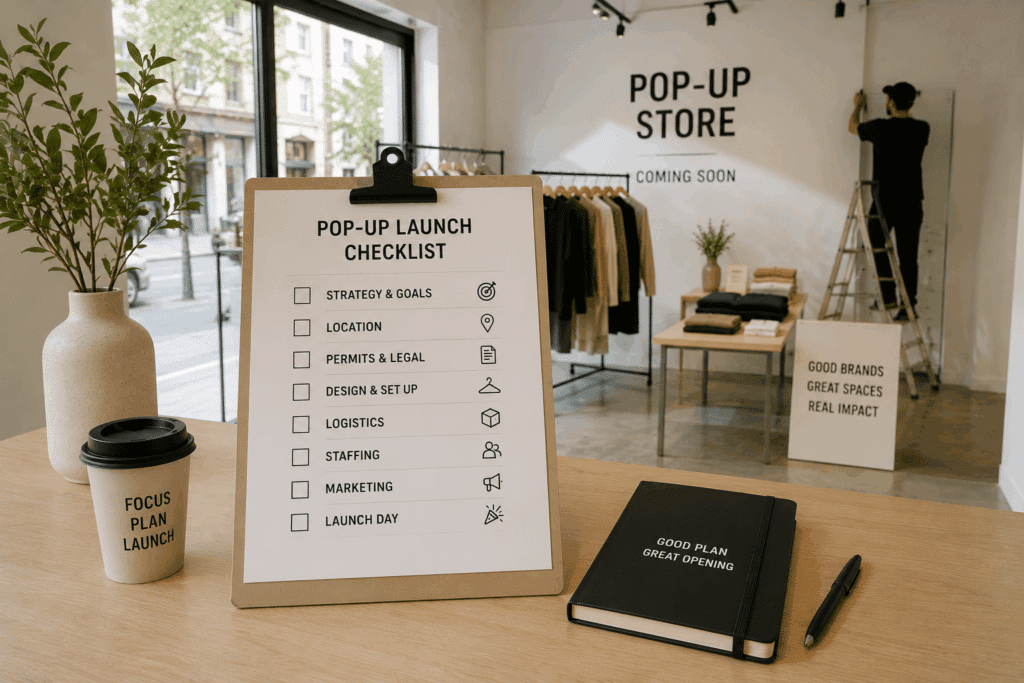
For a broader explanation of temporary retail formats, see the guide to what a pop-up store is and how it works.
How to organise a brand activation
A strong activation does not start with decoration. It starts with strategy.
1. Define a specific objective
Decide what the initiative should achieve: sales, registrations, a product launch, increased product trial or validation of a new market.
This objective will determine the budget, space, duration, team and indicators used to measure success.
2. Choose the format, city and space
The location should respond to the target audience, not to the prestige of an address. A streetwear brand, a luxury label and a technology company may need completely different areas even when activating in the same city.
Then validate whether the venue works operationally: access, storefront, usable area, capacity, power, internet, storage, opening hours, branding possibilities and installation conditions.
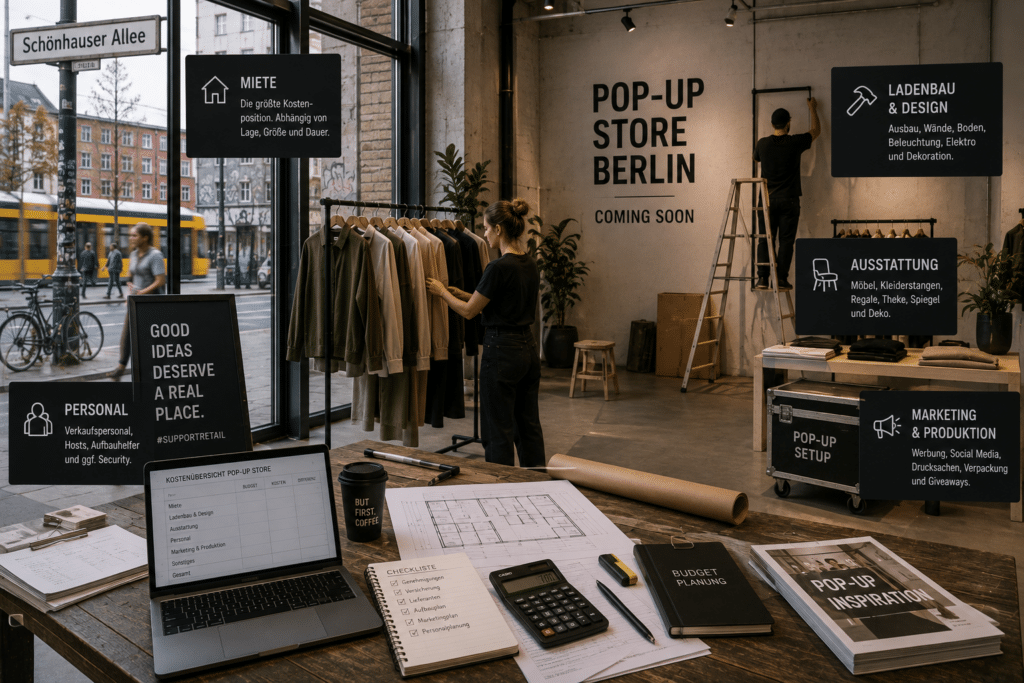
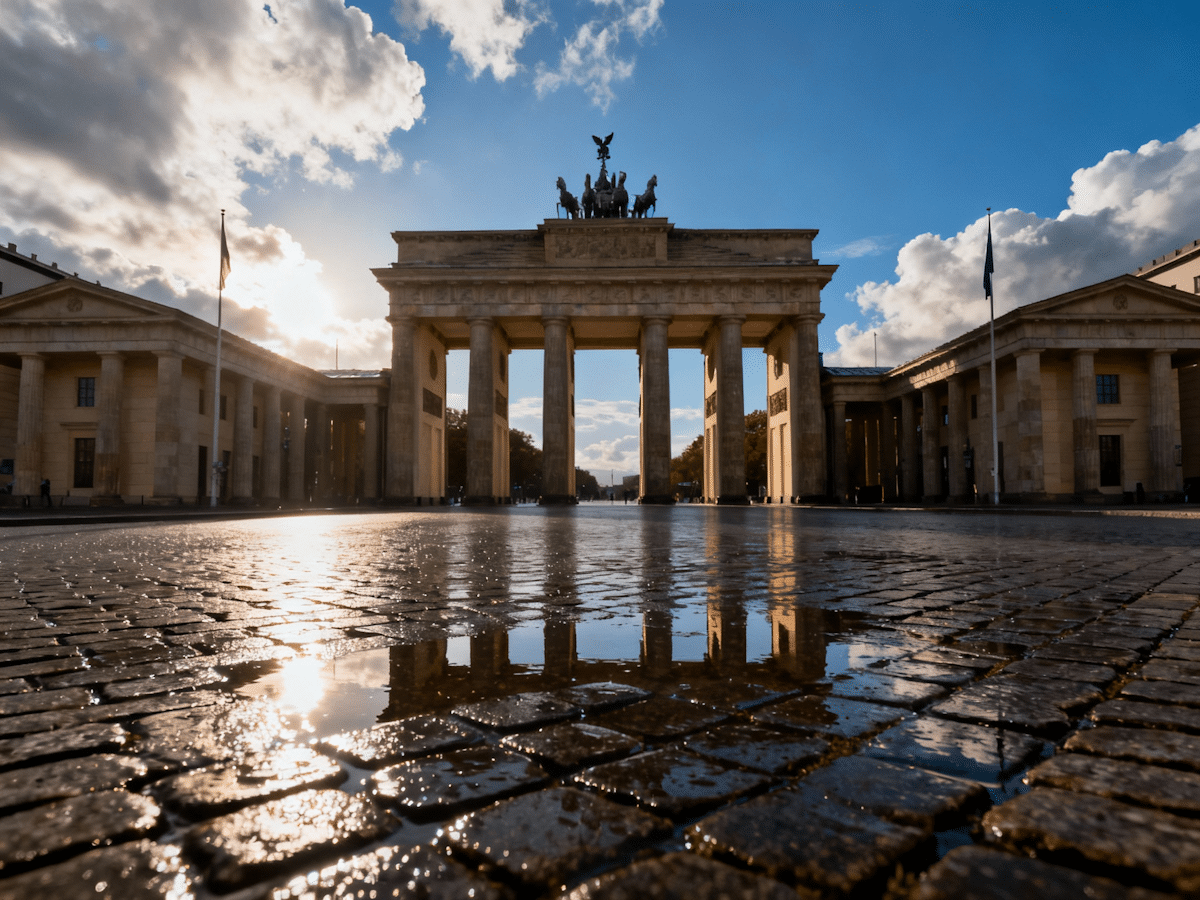
If Berlin is your target market, start by comparing pop-up spaces in Berlin before finalising the concept.
3. Design the experience and the operation
Creativity should support the experience rather than obstruct the operation. Define the customer route, product presentation, service model, furniture, stock, technology, sound, staffing, security and dismantling plan.
A simple, well-executed activation often delivers more value than an ambitious production with too many points of friction.
4. Decide how success will be measured
KPIs should be defined before launch. Depending on the objective, useful metrics may include sales, visits, leads, samples distributed, content generated, mentions, dwell time or purchase intent.
Measuring only social reach when the activation was designed to generate sales—or only sales when the objective was product trial—leads to weak conclusions.
How to choose the right space
The venue must do three things: reach the right audience, support the intended experience and fit within the total budget.
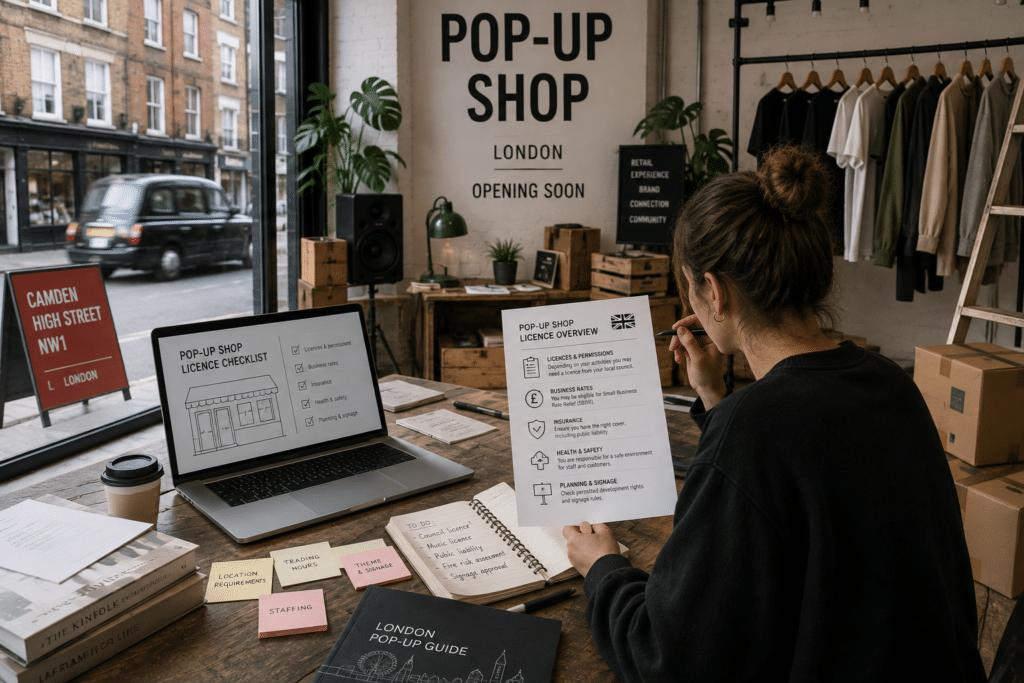
Before booking, review the area and audience, visibility, layout, technical requirements, permitted activity and everything included or excluded from the hire price.
A common mistake is choosing a space from photographs alone. An attractive venue may still be unsuitable if loading is difficult, power is insufficient, branding is restricted or visitor flow cannot be managed safely.
When a brand activation and a pop-up work together
A pop-up is particularly useful when the activation needs a presence over several days, direct sales, a programme of activities or enough time for the community to discover the space.
Not every activation requires a pop-up. A private presentation or a product launch lasting a few hours may work better as an event. The format should follow the objective.
Find a space for your next activation
Once the objective is clear, compare venues that are compatible with the audience, format and operating requirements.
Go—PopUp allows brands to explore temporary spaces and, when the project requires specific scouting, design, production, staffing or full coordination, develop the activation with the Go—PopUp agency.