

Shoreditch is one of London’s most relevant districts for brands that want a temporary space to feel like more than a conventional shop.
Independent fashion, streetwear, design, food, nightlife and creative businesses already form part of the area’s commercial ecosystem. That makes the neighbourhood particularly suitable for product launches, community activations, showrooms and market-entry tests.
The challenge is that Shoreditch is not one uniform retail location. Brick Lane, Redchurch Street, Shoreditch High Street and the streets towards Old Street serve different audiences and business objectives.
Why Shoreditch works for pop-up stores
Temporary retail feels natural in Shoreditch because visitors are already used to discovering new concepts.
The district can work particularly well for:
- Fashion and streetwear launches.
- Product drops and limited editions.
- DTC brands testing physical retail.
- Beauty and lifestyle activations.
- Creative brand experiences.
- Community events.
- Showrooms and press presentations.
- International brands testing London.
A pop-up can generate sales, but it can also reveal how customers respond to the product, which micro-location attracts the right audience and whether the brand has enough local traction for a longer-term presence.
The main Shoreditch areas to compare
Brick Lane: visibility, culture and weekend traffic
Brick Lane combines vintage fashion, independent retail, markets, food, street art and cultural venues.
It can suit streetwear, independent fashion, accessories, beauty, art, design and youth-focused lifestyle brands that benefit from discovery and spontaneous visits.
Weekend activity is especially important, so compare how the street behaves by day and hour rather than relying on a generic footfall claim.
Redchurch Street: design-led and premium positioning
Redchurch Street has a more curated mix of fashion, design, beauty and lifestyle businesses.
It may be relevant for contemporary fashion, premium DTC brands, skincare, interiors and design-led products.
Here, neighbouring businesses can be as important as total footfall. The commercial context helps position the brand.
Shoreditch High Street: accessibility and exposure
The area around Shoreditch High Street station connects Brick Lane with the wider commercial district.
It can work well for consumer-facing launches that need visibility, access and a strong storefront. Large windows and prominent entrances are valuable when the venue itself is part of the campaign.
Great Eastern Street and Old Street: larger experiences
Industrial-style venues, studios and flexible spaces around Great Eastern Street and Old Street can support projects that combine retail, events, content and immersive experiences.
For these concepts, capacity, power, sound, loading and technical infrastructure may matter more than a conventional shop window.
What type of pop-up space should you choose?
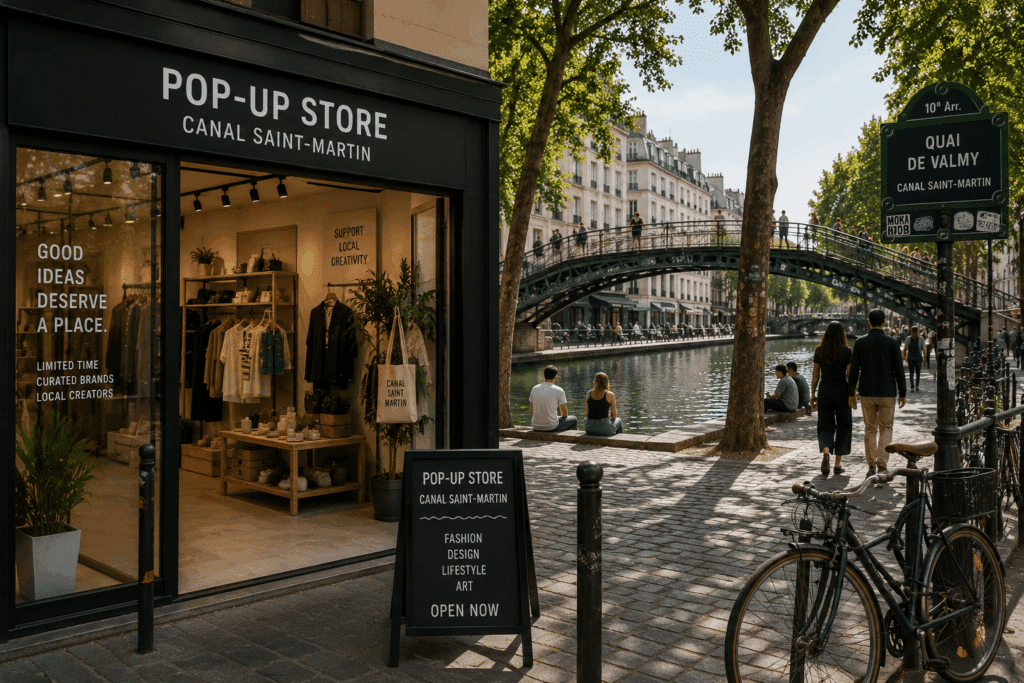
Street-level retail unit
Best when direct sales and walk-in traffic are the priorities. Look for a clear storefront, storage, fitting rooms where relevant and a layout customers understand immediately.
Showroom or studio
Useful for buyers, press, creators, appointments and private presentations. Interior quality, privacy and accessibility can matter more than premium frontage.
Event or warehouse space
Better suited to launches, exhibitions, workshops and immersive activations. Review technical capacity, sound restrictions, access and operating hours.
Small-format retail
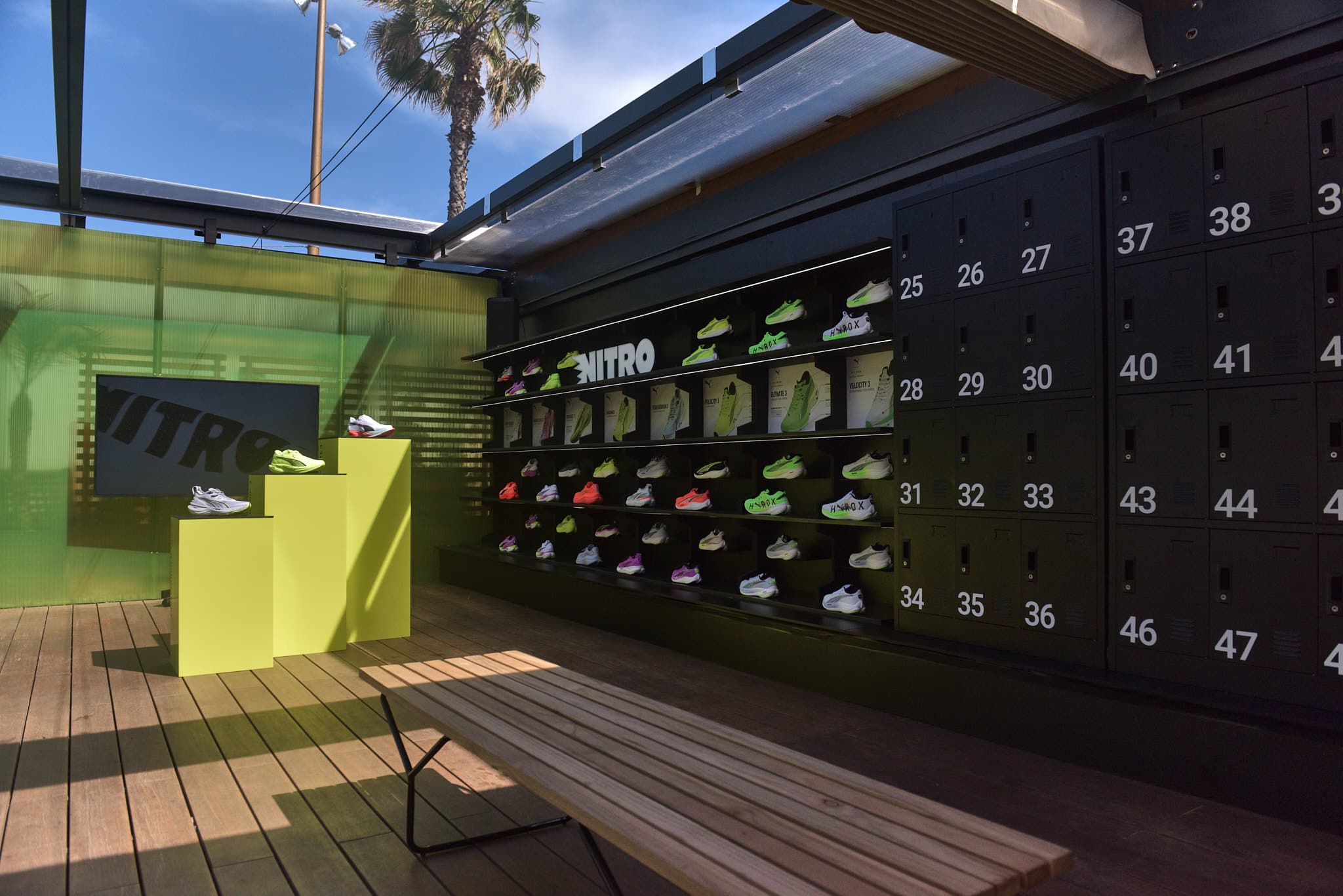
A compact venue can be an efficient way to test physical retail with a controlled investment.
The largest or most expensive space is not automatically the best. The venue should support the commercial objective.
What to check before booking
1. Relevant footfall
Understand who passes the venue, why they are in the area and when they visit. Weekday office traffic can behave very differently from weekend shopping traffic.
2. Street visibility
Check window size, signage options, entrance visibility and whether pedestrians naturally notice the unit.
3. Layout and storage
Plan the customer journey, product display, staff zones, stock, fitting rooms, queues and any event activity.
4. Technical requirements
Confirm power, internet, lighting, heating, toilets, sound, loading and any specialist equipment.
5. Branding permissions
Clarify what can be changed across the windows, walls, signage, lighting, furniture and exterior.
6. Logistics
Review delivery times, supplier access, installation, stock handling and dismantling.
7. Permitted use
Food, alcohol, music, entertainment and certain events may require additional permissions. Resolve these questions before production begins.
How much does a Shoreditch pop-up cost?
There is no standard rate. The cost depends on the street, size, frontage, duration, dates, existing fit-out, included equipment and production required.
The venue is only one part of the budget. Design, furniture, branding, transport, staffing, insurance, technology, permits, installation, cleaning and dismantling may also be required.
For a broader budget framework, see the guide to how much a pop-up shop costs in London.
How long should the activation run?
One or two days can work for a press event, launch or concentrated product drop. One week provides more time to build awareness, generate organic traffic and combine events with sales.
Several weeks are more useful when the objective is to test London, analyse repeat traffic or build local presence.
The right duration is the time required to produce a meaningful result, not the duration other brands commonly choose.
When should you launch in Shoreditch?
Weekends can be valuable for concepts linked to shopping and leisure traffic around Brick Lane. Weekdays may work better for showrooms, press appointments or B2B activations.
Fashion, design, art and music events can concentrate relevant audiences, but also increase demand for strong venues and suppliers. Start early when dates are fixed.
How to book a Shoreditch pop-up
- Define the objective: sales, launch, content, community, market testing, press or buyers.
- Prepare the brief: dates, duration, audience, budget, size, technical needs, storage and branding.
- Explore spaces: compare available pop-up spaces in London.
- Assess the micro-location: audience, neighbours, visibility, access and operating fit.
- Plan execution: design, suppliers, staffing, logistics, POS, permits, installation and management.
For a different central-London context, compare the Soho pop-up guide.
From venue search to execution
Finding the space is only one part of launching successfully in London.
Go—PopUp combines marketplace access with personalised scouting and project support for brands that need concept development, adaptation, production, local suppliers, permits, staffing, logistics or on-site management.
International brands without a UK team can discuss the full brief with the Go—PopUp agency.
Is Shoreditch right for your next pop-up?
Shoreditch can be a strong fit for brands connected to independent fashion, design, streetwear, culture and new retail concepts.
The decision should align brand + audience + micro-location + venue + format + timing.
If the district fits the strategy, compare pop-up spaces in London and choose the venue that best supports the objective.