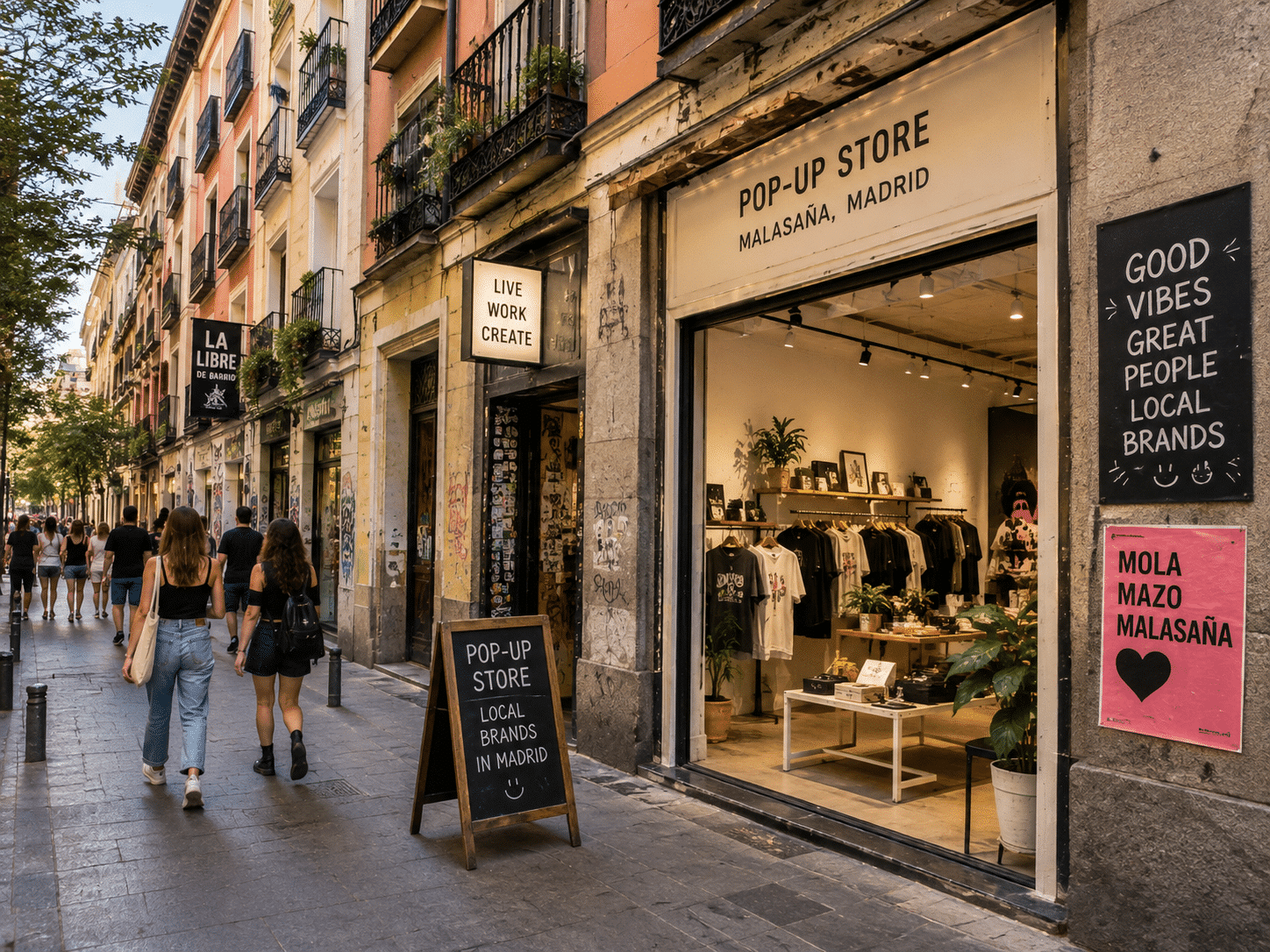

Malasaña is one of those neighbourhoods where a temporary shop does not feel out of place: it fits naturally into the rhythm of the streets.
Independent fashion, design, food, culture, vintage retail and new commercial concepts coexist within a relatively compact part of central Madrid. For a brand that wants to meet its community in person, launch a product or test its potential in the city, that mix can make Malasaña a particularly relevant location.
Opening a pop-up store in Malasaña is not simply a matter of finding an available unit. The exact street, audience, surrounding businesses, visibility and chosen dates can completely change the outcome of the activation.
Why does Malasaña work for a pop-up store?
Malasaña has one characteristic that is especially valuable for temporary retail: its audience is used to discovery.
The neighbourhood is not built only around large chains. Established businesses sit alongside small retailers, independent projects, restaurants and creative concepts. That creates a context in which a new brand can feel like part of the area rather than an isolated campaign.
Malasaña can be particularly relevant for:
- Fashion and accessories.
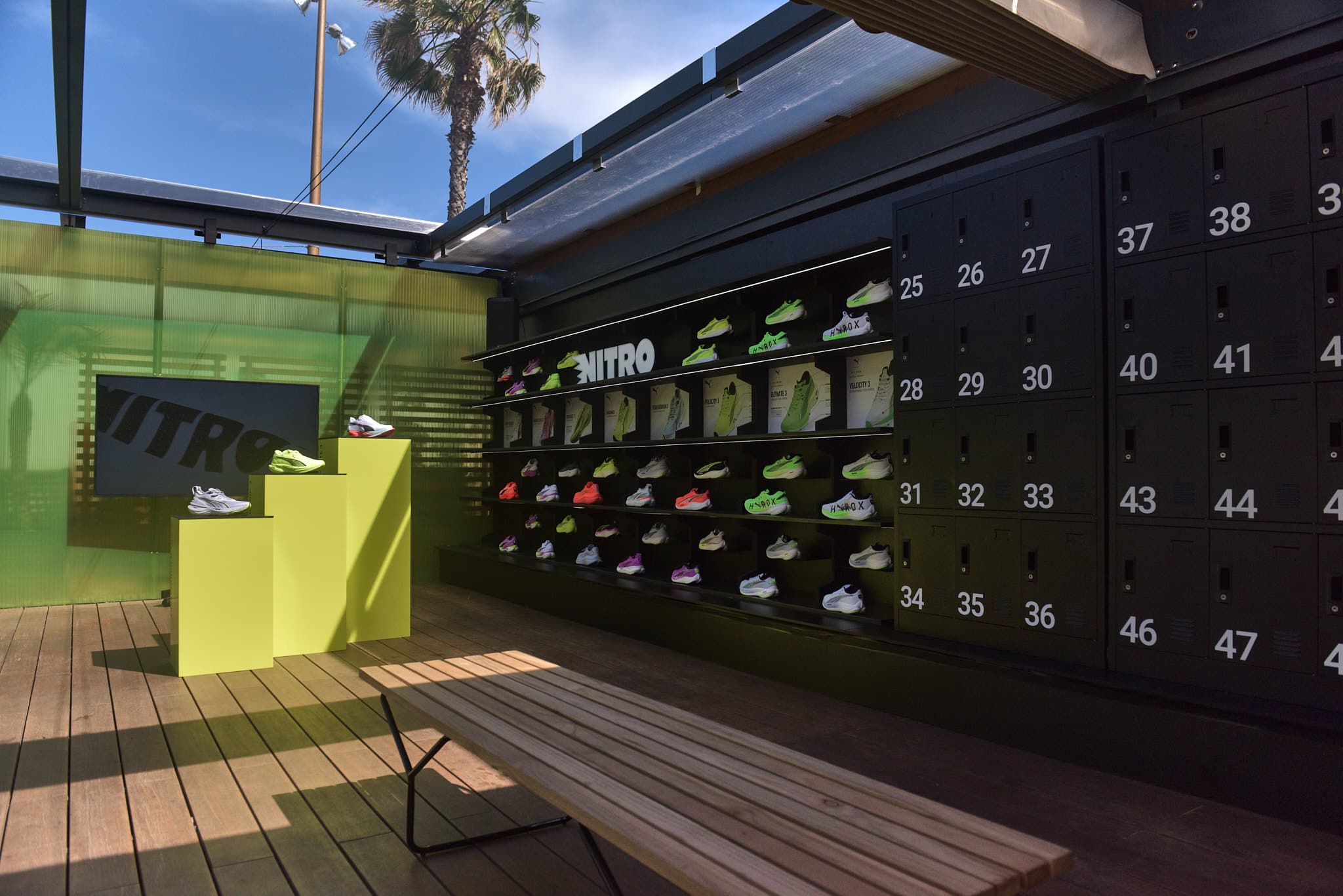
- Streetwear and sneakers.
- Beauty and cosmetics.
- Design and interiors.
- Creative projects.
- DTC brands moving from online to offline.
- Product launches and limited drops.
- Community activations.
- Showrooms and brand events.
For a digital brand, a pop-up also makes it possible to test physical retail without committing immediately to a permanent store.
Over a few days or weeks, the team can observe who visits, which products attract attention, how the community responds and whether Madrid has potential as a longer-term market. In that sense, a pop-up can be both a commercial activation and a market test.
Which parts of Malasaña are best for a pop-up?
Treating Malasaña as one uniform location is too simplistic. Streets within the same neighbourhood can have very different audiences and patterns of movement.
The best space is not always on the busiest street. The right choice depends on what the brand needs the location to achieve.
Calle Fuencarral: visibility and retail traffic
Fuencarral is one of the main commercial corridors connecting Malasaña with other central parts of Madrid.
Its most obvious advantage is visibility. It can work well for brands that want to maximise exposure, attract spontaneous visitors or make the store itself part of a launch campaign.
The area is particularly relevant for fashion, footwear, streetwear, beauty, accessories and consumer-facing product launches.
Here, the shop window and façade are critical. A pop-up may have an exceptional interior, but if the business model depends on walk-in traffic and the venue is difficult to notice, part of its potential is lost.
Corredera Alta de San Pablo and surrounding streets: independent retail and lifestyle
Further inside Malasaña, the commercial context changes. Corredera Alta de San Pablo and nearby streets combine independent retail, restaurants, fashion, design and creative businesses.
For some brands, this context may be more valuable than a conventional high street. Neighbouring businesses help position the activation.
An independent fashion label, for example, can benefit from being surrounded by concepts that already attract a similar audience, even when the absolute footfall is lower than on a major retail corridor.
This part of Malasaña can suit independent brands, contemporary fashion, beauty, design, lifestyle, concept stores and projects with a strong visual identity.
Plaza del Dos de Mayo and inner Malasaña: community and experience
The area around Plaza del Dos de Mayo represents a different side of the neighbourhood.
Its value is less connected to a classic high-street model and more to Malasaña’s social and cultural life. It can be especially relevant when the store is also intended to become a meeting place.
Suitable formats may include community events, presentations, workshops, launches, exhibitions, brand experiences and retail combined with programming.
In these cases, the venue does not need to function only as a shop. For a few days, it can become the physical home of the brand’s community in Madrid.
Tribunal and San Bernardo: accessibility and connections
The edges of Malasaña can also provide strong options. Areas close to Tribunal and San Bernardo offer useful connections with the rest of Madrid.
This matters when the activation does not depend entirely on people discovering the venue while walking through the neighbourhood.
If the brand already has a community and expects visitors to travel specifically to the pop-up, accessibility may be as important as the traffic directly outside the shop window.
What type of space should you choose?
Not every activation needs the same type of venue. Define the role of the space before starting the search.
Street-level retail unit
This is the clearest option when direct product sales are the main objective.
Look for a visible façade, a useful shop window, product-display space, storage and a layout that makes the customer journey easy to understand. Fashion projects may also need fitting rooms, mirrors and a practical stock area.
Showroom or studio
Not every brand needs constant footfall.
If the activation is mainly for buyers, press, creators, invited customers or professional meetings, a showroom may be more efficient than a premium street-level shop. Privacy, interior quality and flexibility can matter more than the storefront.
Event or experiential venue
When the experience is the main attraction, a less conventional venue may be a better fit.
Presentations, exhibitions, workshops, launch parties and immersive concepts require attention to capacity, sound, production, visitor flow and technical infrastructure.
Compact space for a product drop
More square metres do not automatically create better results.
For a limited edition, collaboration or short launch, a small, well-located venue can generate more impact than a large space that is difficult and expensive to activate.
Size should follow the concept, not the other way around.
What to check before renting a space in Malasaña
An attractive location does not guarantee that the venue is suitable for the project.
1. Who actually passes the door?
Knowing that Malasaña is busy is not enough. Understand who uses the specific street and at what times.
The audience on a Saturday afternoon may be completely different from the audience on a Tuesday morning. The relevant question is not only how much footfall exists, but how much of it resembles the brand’s target customer.
2. Visibility
If the activation depends on spontaneous visits, review the window size, façade, signage possibilities, visibility from both directions, obstacles in front of the venue and how easily people can identify the entrance.
The exterior is part of the campaign.
3. Interior layout
Square metres do not tell the whole story. Two venues of the same size can offer very different possibilities.
Plan where products, staff, checkout, stock, fitting rooms and any event activity will sit. The layout must support both customer movement and daily operations.
4. Technical infrastructure
Check power, lighting, climate control, internet, toilets and access before confirming the venue.
Music, screens, special installations and audiovisual equipment can significantly increase the technical requirements.
5. Customisation
A pop-up should feel like a physical extension of the brand.
Confirm what can be changed: walls, windows, furniture, lighting, signage and exterior elements. These permissions need to be clear before production begins.
6. Logistics
How will the product arrive? Can suppliers access the venue easily? Where will stock be stored? Which hours are available for installation and dismantling?
These questions are less visible in campaign imagery, but they are fundamental during execution.
7. Permitted activity and licences
The intended use must be compatible with the venue.
Food, alcohol, music, events and certain installations may create additional requirements. Resolve them before the project moves into production.
How much does a pop-up store in Malasaña cost?
There is no single rate for a Malasaña pop-up.
The price depends on the exact street, size, storefront, duration, dates, condition of the venue, included equipment, technical needs and the level of adaptation required.
Do not assess only the daily rental cost. The total activation budget may also include design, furniture, branding, production, transport, staffing, permits, insurance, technology, cleaning, installation and dismantling.
A simple temporary shop and an immersive brand experience may rent similar venues but require completely different investments.
For a more detailed budget framework, see the guide to how much a pop-up store costs in Madrid.
How long should the pop-up last?
The duration should follow the objective.
One or two days may be sufficient for a presentation, press event or concentrated product launch.
A one-week pop-up provides more time to build communications, generate traffic over several days and combine a launch with sales.
Several weeks may be more useful when the objective is to test Madrid, analyse purchasing behaviour or build a more consistent local presence.
Do not choose the duration by copying other brands. Choose the time required to obtain the information or result the project needs.
When is the best time to open in Malasaña?
Timing is part of the location strategy.
Weekends can be especially useful for consumer projects, while weekdays may make more sense for showrooms, professional presentations and meetings with press or partners.
The wider Madrid calendar also matters. Fashion, design, art, food and cultural moments can concentrate relevant audiences, but they also increase demand for the strongest spaces and suppliers.
If the project must coincide with a strategic date, start the search early.
How to book a pop-up store in Malasaña
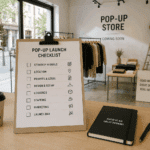
Step 1: define the objective
Decide whether the project is designed to generate sales, launch a collection, build awareness, create content, meet the community or test Madrid before considering a permanent presence.
The objective will shape the location, format, duration and budget.
Step 2: prepare the venue brief
Define dates, budget, approximate size, target audience, activity, technical requirements, storage and the level of customisation.
Separate essential requirements from desirable features. This makes the search faster and avoids rejecting strong venues for secondary reasons.
Step 3: explore available spaces in Madrid
You can explore pop-up spaces in Madrid and compare different formats according to the project requirements.
Projects with highly specific needs may require a personalised search beyond a standard marketplace filter.
Step 4: compare the location, not only the price
Two venues with a similar rate can offer completely different value.
Assess the audience, street, neighbouring businesses, visibility, accessibility, existing fit-out and operating conditions together.
Step 5: plan the execution
Securing the space is only one part of the project. The activation may also require design, production, furniture, branding, permits, staffing, logistics, POS, audiovisual equipment, installation, dismantling and on-site management.
From venue search to execution
Go—PopUp operates as more than a marketplace of temporary spaces.
For projects that need broader support, the work can include personalised scouting, concept development, venue adaptation, local suppliers, permits, staffing, branding, logistics, POS, audiovisual equipment and project management.
This is particularly relevant for international brands without a local structure in Spain: finding the venue is the first step; making the activation work is the complete project.
Is Malasaña right for your next pop-up?
Malasaña brings together many of the ingredients that make temporary retail effective: an audience accustomed to discovering new concepts, independent businesses, culture, food and a recognisable identity within Madrid.
But there is no single formula. A brand seeking maximum exposure may need a unit close to Fuencarral. Another may fit better among independent shops in the inner streets. A third may need a flexible venue where its community can gather during a launch.
The key is to align brand + audience + street + space + format + timing.
If Malasaña fits your audience and Madrid is part of the strategy, compare available spaces in Madrid or discuss a more specific brief with the Go—PopUp agency.